Robert Poortinga
Artist&Pianist


Traveling with the Great Composers: Music, Food & Culture Across Europe
In the Footsteps of Great Composers: Exploring Music, Food, and Travel
From Schubert’s Vienna to Mozart’s and Mendelssohn’s Grand Tour
I naturally travel with the great composers when I am on the road for my concerts. Two years ago, while travelling through Europe on one of my concert tours, a question dawned upon me: How did these musicians do it in the old days, without trains, cars, or paved roads? How did they eat? Was it dangerous on the roads? Could I even find information about this?
That curiosity became the spark for a series of blogs where I share the gastronomic, travel, and cultural curiosities I uncovered through extensive reading and research. The idea of Traveling with the great composers from the 17-20 century gives us an incredible insight and a very different outlook upon their lives and how their music was often inspired by their voyages!
Food, Hardship, and Daily Survival
Naturally, my focus began with food as gastronomy is very important for me. I wanted to know how composers survived on the road:
- What did they eat during or after their concerts?
- How and what did they cook when lodging along the way?
- What was a festive dinner like at a noble household — or even at court, such as Mozart dining at the inauguration of the Prince of Orange in The Hague in 1766?
Finding these details was not easy. Harsh road conditions and daily meals were considered so ordinary that they were rarely recorded in letters or memoirs. Yet with perseverance, I tried, and still try, to uncovered a wealth of fascinating information.
From Gastronomy to Voyages
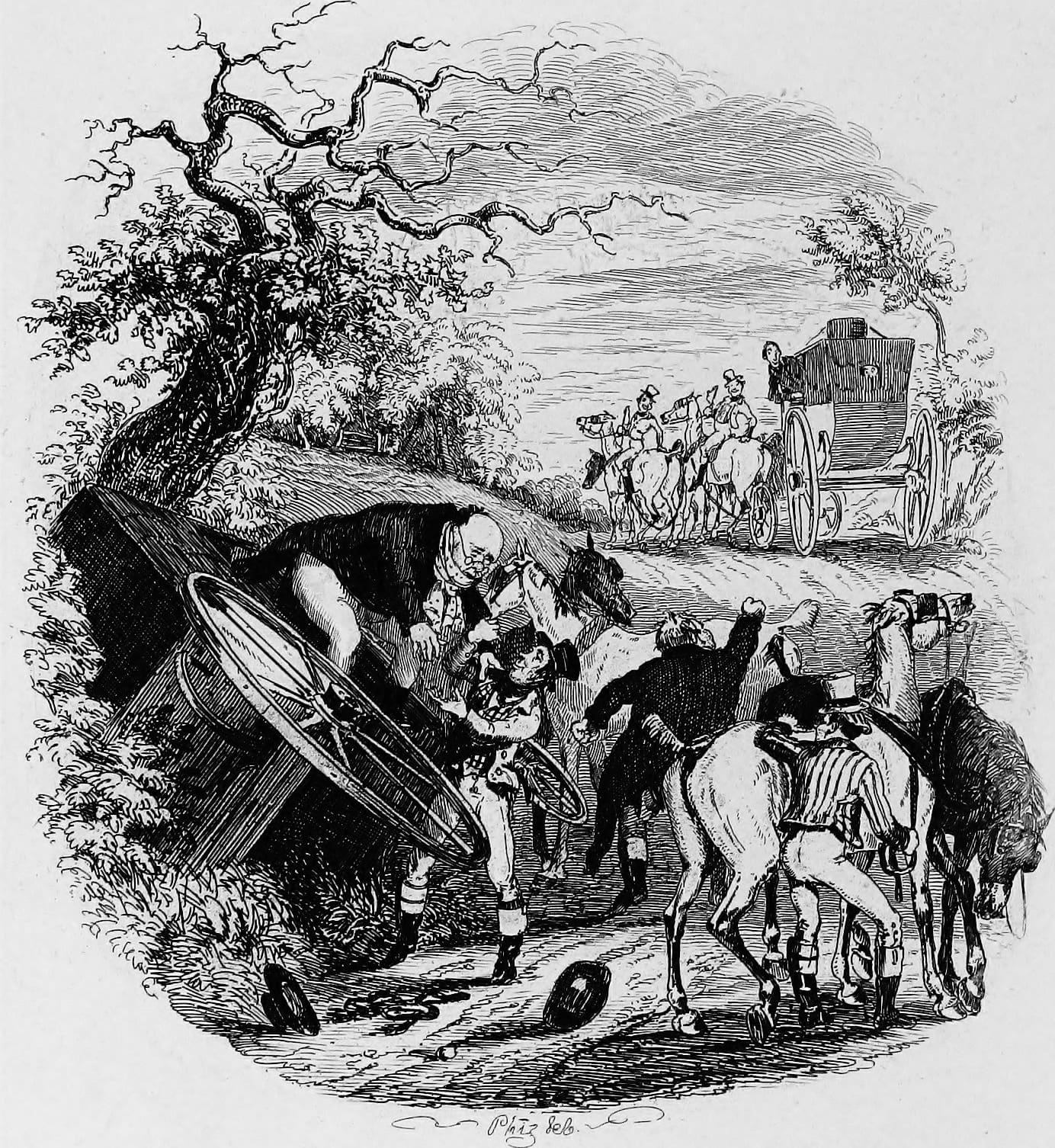
As I read more about gastronomical encounters, I also stumbled upon incredible voyages and hardships. Composers faced robberies (Ole Bull’s fascinating Memoires is a must read for these types of ‘events’), broken axles (Mozart), freezing Alpine crossings (Mendelssohn), and nights in noisy taverns or drafty inns (every composer!). I began to document not just what they ate, but also how they travelled, how they performed, and what they experienced along the way.
This expanded into something much larger. Over two years ago, I decided to begin writing a series of three books:
- Travels of the Composers
- Composers and Gastronomy
- The Salons of Europe
Why Salons? Well.. It turns out that the culture of Salons, which we don’t really have in the same manner anymore, were extremely important for composers to show their newest work, for them to network for bigger public events, to meet artists who were also on their way and crossed each other in the same cities and to exchange ideas that ended up being crucial for the development of the European Culture.
These salons became hubs where art, philosophy, and ideas crossed and flourished — magnets for Europe’s creative and intellectual life. The scope of this research is vast; although the books draw on overlapping sources, the earliest public results are expected around 2027.
A Modern Connection: DeSalvio Travel
When I shared this passion with the CEO of DeSalvio Travel, a Virtuoso agency based in Washington, D.C., she invited me to write for her clients. For the past three to four months, I’ve been developing cultural travel content with her, connecting composers’ lives to modern luxury journeys by exploring Music, Food, and Travel.
This collaboration has grown to the point that Cruise-lines have shown interest in co-hosting events with us. These combine new cruise itinerary presentations with concerts, featuring programs designed especially for each itinerary.
Travel Then and Now
Travel has transformed dramatically. Today we can move from one concert city to another in mere hours. In contrast, the composers I study endured weeks of exhausting, and often dangerous, journeys. Goethe, for example, carried a gun on his Grand Tour. Stories like these — robberies on the road, Alpine crossings in winter, festive dinners in glittering salons — paint a vivid picture of a world that feels almost unimaginable to us today.
What’s Next in This Series
In this blog series, I will share highlights of my findings and link to the articles I’ve been writing for DeSalvio Travel. Together, they form a bridge between history, culture, and contemporary luxury travel. Here you will be able to find blogs about travel in general, Cruises and art/music related blogs on the special museums dedicated to composers like Mendelssohn, Beethoven, Schumann, Mozart etc.
Future sub-blogs will show how particular composers like Mozart and Beethoven travelled and struggled on the road:
- Mozart’s travel through Europe
- Beethoven in Vienna
- Chopin in Paris
- Schumann in Leipzig
- Vivaldi in Venice
Along the way, I will also highlight museums I have visited, often with the guidance of curators who opened and experts that taught me what to look for and how to appreciate our incredible European Heritage.
This is just the beginning. Phase 2 will bring tailored itineraries and curated playlists — combining music, food, and travel into an experience that is both historical and strikingly modern.
Continue reading about my interest in combining Music and food in my Cuisine-Musique blogs
